What is UX?
UX designers help make technology easier to understand and more enjoyable to use.
Google
In the IT, user experience mostly focuses on how people use or interact with products.
Google
History of UX design
The phrase «user experience» was first used in the 1990s, by cognitive psychologist, Don Norman.
Some say the principles of user experience actually go back all the way to ancient China, to the practice of Feng Shui.
Key topics in UX design foundations
- terms
- tools
- frameworks
- design sprints
UX design resources
The user, end user, user experience
A user is any person who uses a product.
In addition, the end user is the specific audience a UX designer creates something for.
User experience is how a person, the user feels about interacting with or experiencing a product.
Key questions
Is the product easy to use?
Is the product equitable?
Does the product delight the user?
Does the product solve the user’s problem?
Imagine you’re developing a children’s toy. Your sales and marketing teammates might try to encourage parents to buy the toy, but ultimately you need to design the toy to appeal to the child, who is your end user.
UX frameworks
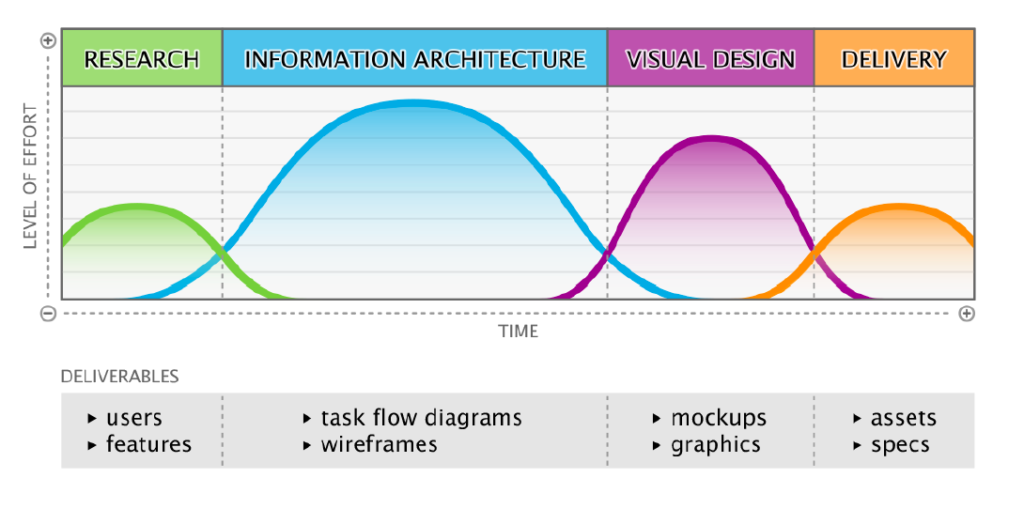
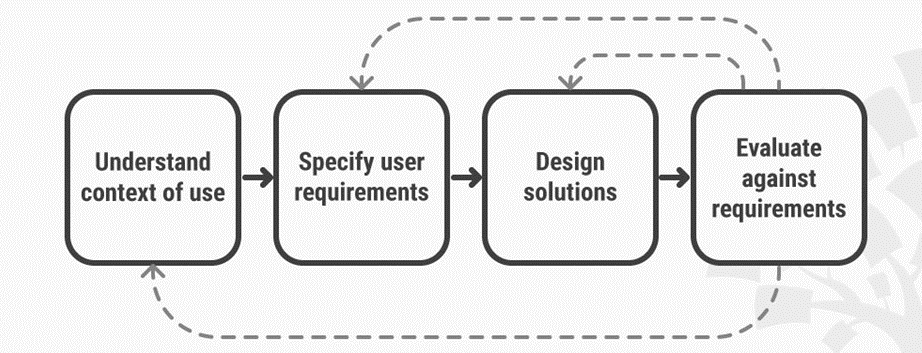
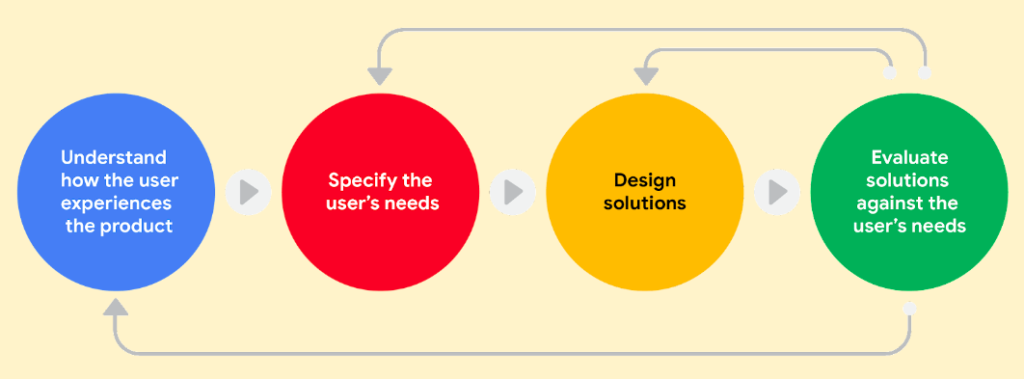
User-centered design USDE framework
To keep our focus on the user, the user-centered design process (UCD) has four steps:
understand, specify, design, and evaluate.
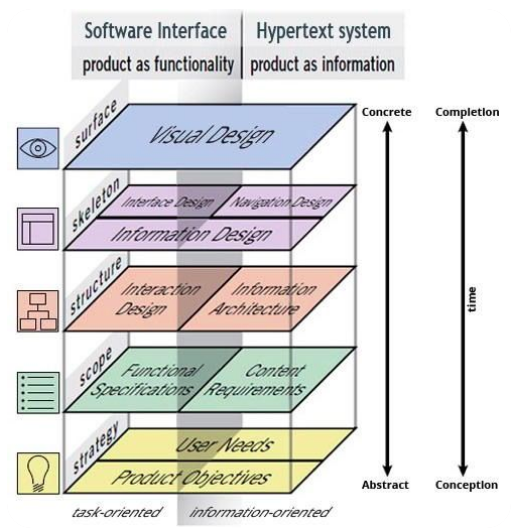
The five elements 5S framework
This framework consists of five elements:
strategy, scope, structure, skeleton, and surface.
Each element refers to a specific layer involved in creating the user experience, and each layer is dependent on the one below it.
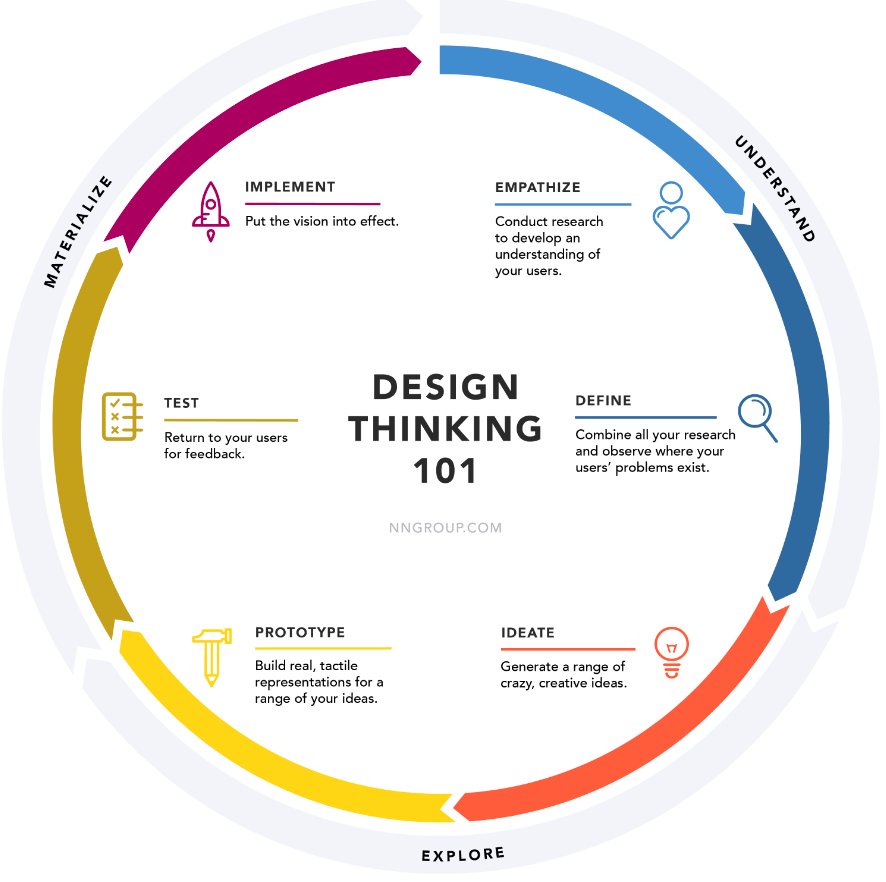
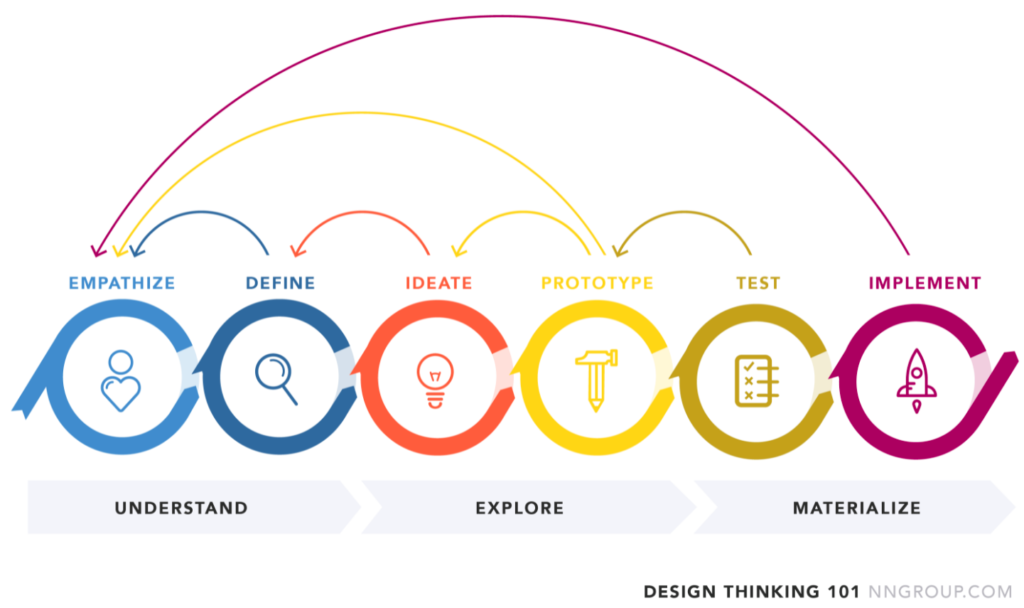
Design thinking framework
Design thinking has five actionable steps:
empathize, define, ideate, prototype, and test.
more https://www.nngroup.com/articles/design-thinking/
https://uxplanet.org/wondering-if-design-thinking-works-102e7b3a3604
Lean UX framework
The Lean UX process focuses on reducing wasted time and resources, and producing a workable product as soon as possible with 3 steps:
Think -> Make -> Check
Double Diamond framework
Double Diamond is a more traditional UX process, which breaks down UX design into two main phases (or “diamonds”): research and design. Each phase has two steps.
Discover >> Define >> Develop >> Deliver